 Orders ship from the USA, Orders of $25 or more qualify for FREE Shipping in the USA
Analog APRS or Digital APRS? Choose the right path
Analog APRS uses an analog packet channel; Digital APRS uses a DMR channel plus network routing. Choose based on the system you can actually verify.
Ships from USA · Free U.S. shipping $25+

BROWSE BTECH ARTICLES
Helpful BTECH articles, announcements, and resources collected around Radio Education.
LATEST FROM BTECH
Clear answers, firmware releases, product announcements, and practical radio help.
Analog APRS uses an analog packet channel; Digital APRS uses a DMR channel plus network routing. Choose based on the system you can actually verify.
Choosing the right antenna for your handheld or mobile radio can significantly enhance your communication experience. That's why we at BTECH are excited to offer comprehensive comparison charts for Nagoya's range of antennas, ensuring that you find the perfect match for your needs. Handheld Antennas: Tailored for On-the-Go Communication Our selection of Nagoya handheld antennas includes models designed for various users, from amateur hobbyists to professional GMRS users. The comparison chart provides an easy-to-read overview, listing everything from frequency ranges and gain...
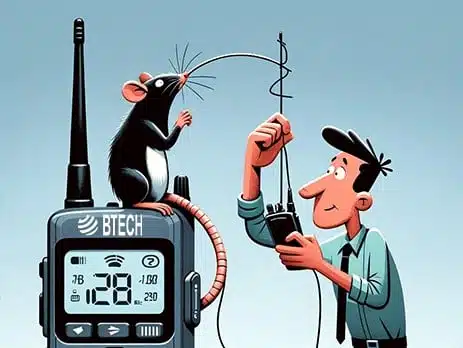
In the world of amateur radio, the "rubber duck" antennas that come standard with most handheld transceivers are a frequent subject of debate. This concern is so prevalent that it's addressed in the Technician Class exam, where question T9A04 asks about the primary disadvantage of "rubber duck" antennas compared to full-sized quarter-wave antennas. The straightforward answer is their relative inefficiency in transmitting and receiving signals. For radio enthusiasts seeking to enhance their handheld radio's performance, the typical route involves upgrading the...
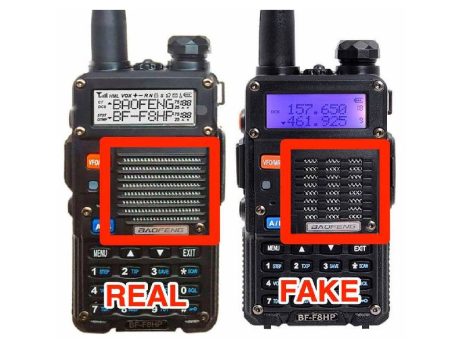
BF-F8HP and Counterfeits: Their differences and how to spot a counterfeit BF-F8HP The BaoFeng BF-F8HP has been an extremely popular entry-level amateur radio ever since its debut. Unfortunately, due to their popularity; there has been a huge influx of counterfeits and knock-off BF-F8HPs. It is important to make an issue of these counterfeits as: they are not assembled by BaoFeng, they are not FCC certified, they are inferior in build and performance, and they carry no distributor warranty. How do you identify a counterfeit...
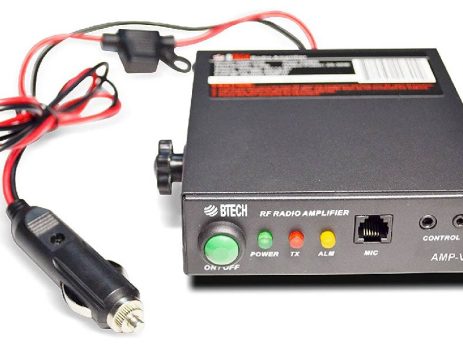
In some situations, the 5W output of a handheld transceiver just doesn't cut it. You may be too far away from a repeater to hit it consistently, or you may want more range for simplex operation. One solution to this problem is to get a mobile radio with more output power. Mobile radios, such as the BTECH UV-50X2, have an output power of up to 50 W. Some mobile radios are even higher-powered. A 50 W radio, especially when used...
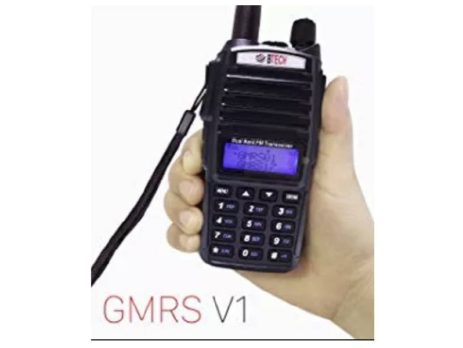
According to the FCC, the General Mobile Radio Service (GMRS) is “a licensed radio service that uses channels around 462 MHz and 467 MHz. The most common use of GMRS channels is for short-distance, two-way voice communications using hand-held radios, mobile radios and repeater systems. In 2017, the FCC expanded GMRS to also allow short data messaging applications including text messaging and GPS location information.” GMRS licenses are available to individuals for short-distance, two-way communications that facilitate the activities of...
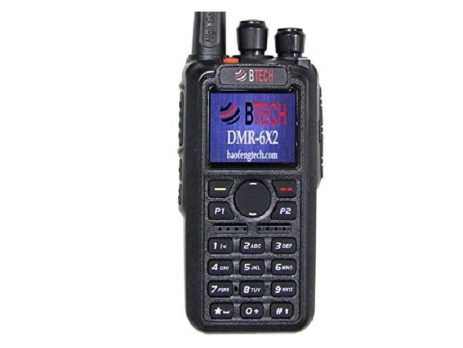
A plain-English map of the DMR terms you need before building a codeplug on DMR-6X2, DMR-6X2 PRO, or DA-7X2.
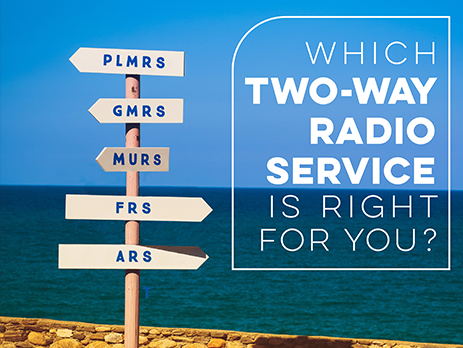
Choosing the right two-way radio can be confusing. You can’t just buy a pair of radios and start talking on them. Most two-way radio services require licensing of some sort, and radios designed to be used in those radio services must be certified by the FCC. The most popular two-way radio services are: Private Land Mobile Radio Service (PLMRS) General Mobile Radio Service (GMRS) Multi-Use Radio Service (MURS) Family Radio Service (FRS) Amateur Radio Service (ARS) Private Land Mobile Radio Services(PLMRS) The Private Land Mobile Radio Servicesis...
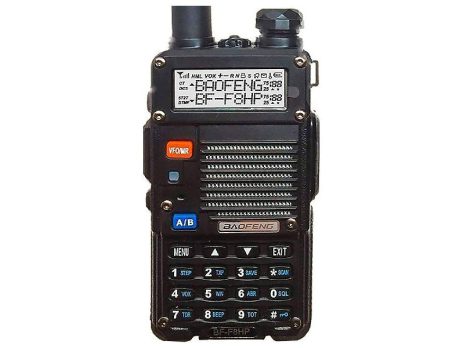
ARLINGTON, SOUTH DAKOTA - WEDNESDAY, 7 OCTOBER 2015 What happened to ‘Pofung’? Back in 2014 there was a huge bombshell from BaoFeng: all future radios, that were exported out of China, were going to be branded as ‘Pofung’. But 2014 has come and gone; and we are almost through 2015… but yet the majority of the BaoFeng radios are still branded as BaoFeng. To get a clear understanding, we will go back to the central reason of the sudden name change: “Greed and...
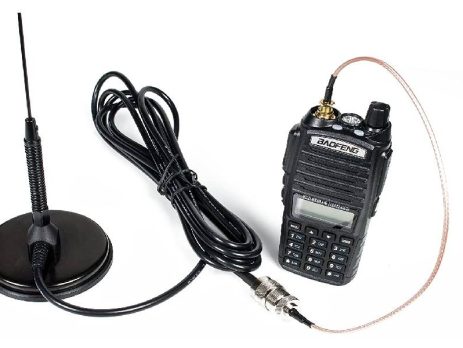
ARLINGTON, SOUTH DAKOTA - THURSDAY, 14 MAY 2015 BaoFeng Tech is excited to announce a partnership with Reuex Industrial Co., LTD (Nagoya Antenna). Nagoya Antennas have become the number one after-market antenna for BaoFeng radios, so it was an obvious partnership for the two companies. By having a direct reliable source for Nagoya Antennas, we believe it will help curb the counterfeit re-productions of Nagoya Antennas. Nagoya Antennas have been shown to be dependable and accurate, but unfortunately counterfeiters have confused the...