Skip to content
Blog

BTECH RADIO KNOWLEDGE

Use your radio better.

Firmware updates, practical setup guides, product news, and field-tested radio knowledge from the U.S.-based BTECH team.

LATEST FROM BTECH

Latest guides, updates & news.

Clear answers, firmware releases, product announcements, and practical radio help.

Amp it up!

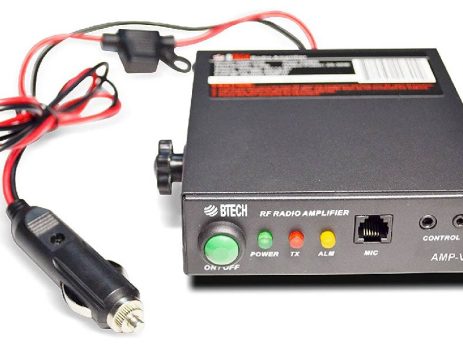
In some situations, the 5W output of a handheld transceiver just doesn't cut it. You may be too far away from a repeater to hit it consistently, or you may want more range for simplex operation. One solution to this problem is to get a mobile radio with more output power. Mobile radios, such as the BTECH UV-50X2, have an output power of up to 50 W. Some mobile radios are even higher-powered. A 50 W radio, especially when used...
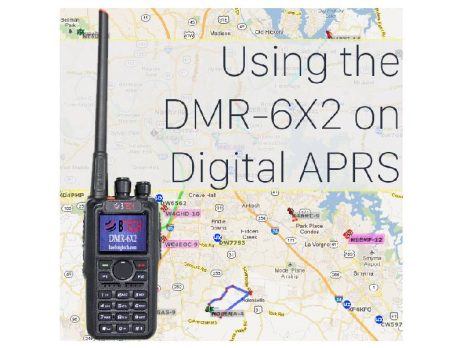
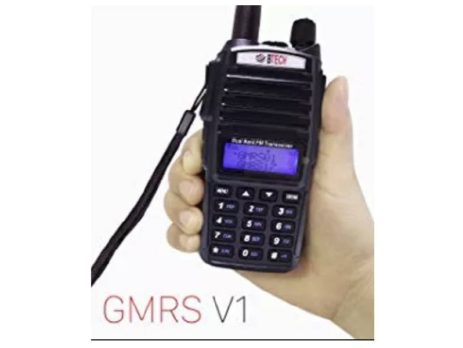
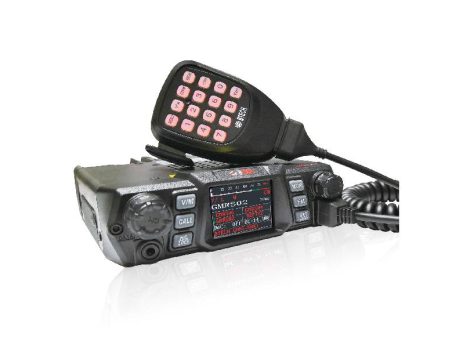
GMRS meets short-range communication needs

According to the FCC, the General Mobile Radio Service (GMRS) is “a licensed radio service that uses channels around 462 MHz and 467 MHz. The most common use of GMRS channels is for short-distance, two-way voice communications using hand-held radios, mobile radios and repeater systems. In 2017, the FCC expanded GMRS to also allow short data messaging applications including text messaging and GPS location information.” GMRS licenses are available to individuals for short-distance, two-way communications that facilitate the activities of...


New Release – BTECH GMRS-50X1

ARLINGTON, SOUTH DAKOTA - SATURDAY, MAY 11, 2019 A High Power 50 Watt GMRS Mobile Radio from BTECH is Released BTECH announced today the North American release of the BTECH GMRS-50X1. The GMRS-50X1 follows in similar footsteps and abilities found in our handheld GMRS radio the BTECH GMRS-V1. There was a huge void for users in that, an affordable fully functional GMRS mobile radio has never been available. BTECH took the initiative to engineer that very radio with feedback from the GMRS community. Our mission was to have...


Scan a range of frequencies with your UV-5X3

One of the cool things that you can do with your BTECH UV-5X3 Triband Radio is easily scan a range of frequencies. Now, with the UV-5X3, you don't have to scan an entire band, but instead program the radio to scan only a portion of a band. This saves a lot of time, as you don't have to scan frequencies that you're not interested in. For example, I wanted see what NOAA weather stations that I could receive where I...