
 Orders ship from the USA, Orders of $25 or more qualify for FREE Shipping in the USA
Set up GPS and Digital APRS on BTECH DMR radios
The short version
Digital APRS works only when both the radio and network path work
First get a valid GPS position and prove the DMR channel works for voice. Then add the report channel, destination ID, call type, time slot, and upload behavior required by the network or repeater.
The old U.S. BrandMeister example, Private Call 310999, is not universal. BrandMeister uses regional patterns. Other systems may use different routing—or no Digital APRS gateway at all.
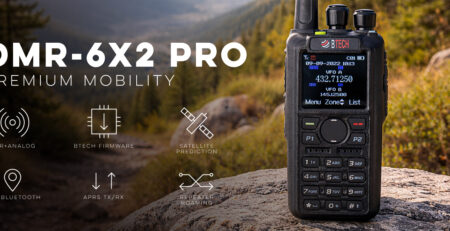
Models covered
All three report position, but the network still sets the route
Use the current exact-model CPS and current network documentation. A successful GPS lock proves the radio knows its position; it does not prove the network accepted or forwarded the packet.
Compare models and required versions
| Model | Verified procedure | Required version | Important difference |
|---|---|---|---|
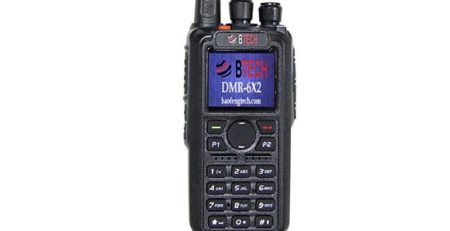
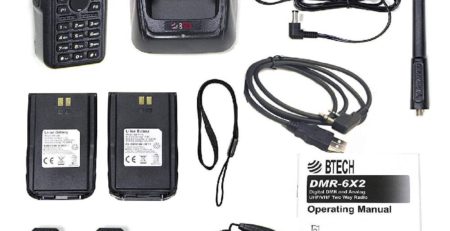
| DMR-6X2 | GPS + Digital APRS transmit and receive | Digital APRS firmware support; current matching CPS | Older CPS/article screenshots; report-channel and APRS fields differ from PRO/DA. |
| DMR-6X2 PRO | GPS + Digital APRS TX/RX features | Current PRO firmware/CPS | Use the PRO implementation’s integrated Bluetooth/APRS controls and receive settings; DA-7X2 provides related functions through its own model-specific fields. |
| DA-7X2 | GPS/GNSS + Digital APRS reporting | Current DA firmware/CPS | Choose Report Channel, Report Slot, upload ID/type, and GPS or fixed beacon in DA controls. |
Part 1: Confirm GPS and the DMR voice path
-
Turn on GPS and wait for a real lock
Move outdoors with a clear view of the sky. Open GPS Info and wait for valid coordinates—not merely a GPS icon that has not settled. The first fix after a long move can take longer.
-
Create and voice-test the DMR channel
Program the verified frequencies, color code, time slot, contact, Radio ID, power, and admit criteria. Complete an authorized receive and short voice test before adding APRS.
-
Confirm the network accepts Digital APRS
Check the repeater, hotspot, and network documentation. A DMR channel can pass voice while the Digital APRS gateway, destination, or text/data routing is unavailable.
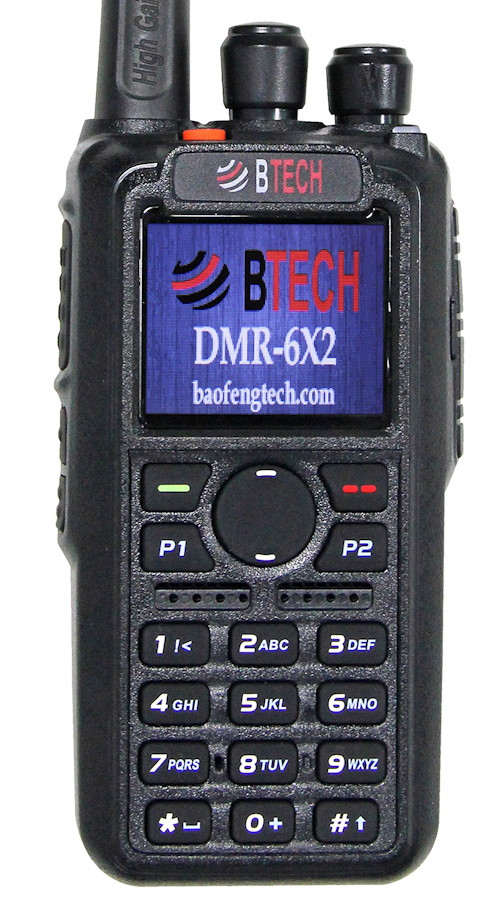
Part 2: program the report that your network expects
-
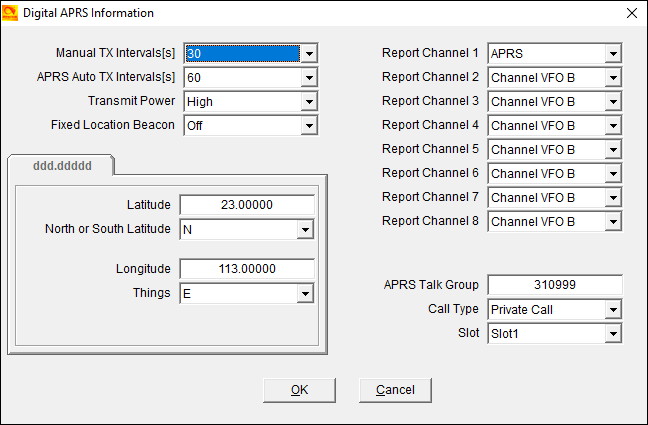
Open the model’s Digital APRS settings
In current matching CPS, find the Digital APRS or GPS reporting area. Keep the codeplug backup untouched and edit only the working copy.
-
Choose live GPS or a verified fixed beacon
Use live GPS when the current position should be sent. Use a fixed beacon only for a deliberately entered, verified stationary location; do not leave an old location in a mobile radio.
-
Set the report channel
Choose the tested DMR channel or the specific report channel assigned by the system. Confirm that it is also reachable from a zone when the model requires zone membership.
-
Set destination, call type, and slot
Enter the current network-provided destination. Match Group/Private call type and time slot exactly. For BrandMeister, treat 310999 as a U.S. example and verify the current regional MCC999 destination.
-
Choose PTT upload and reporting intervals
Enable beginning/end-of-transmission upload or an automatic interval only when it fits the network rules and your operating purpose. Start with the least frequent responsible behavior.
-
Write, read back, and test one report
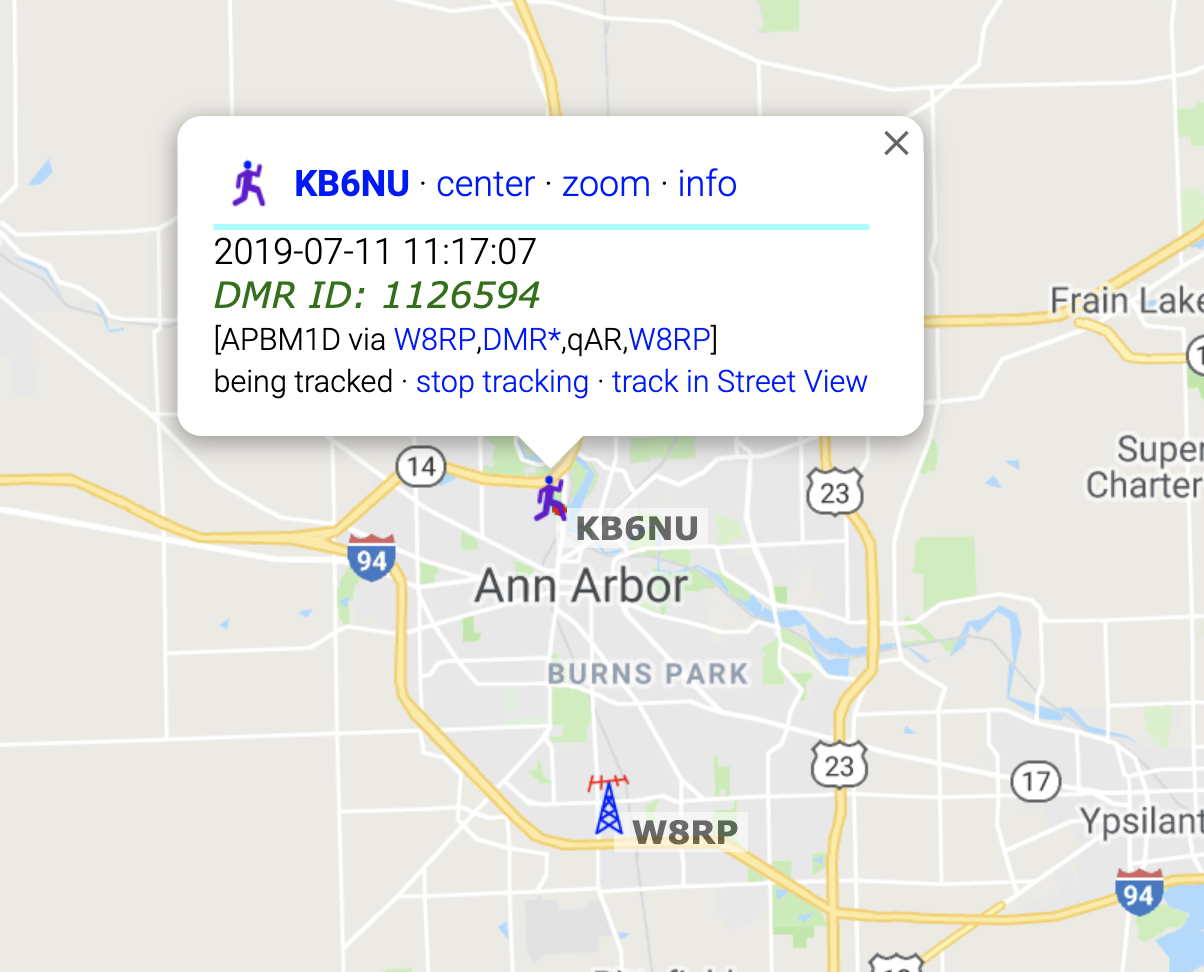
Write the reviewed file, read it back, obtain a fresh GPS lock, and send one authorized report. Confirm both the radio indication and the network-side result before enabling automation.
Troubleshooting
| What happened | Likely reason | Next check |
|---|---|---|
| GPS shows no position | Indoor/obstructed view, stale fix, or GPS disabled | Move outdoors, confirm GPS is enabled in radio/CPS, wait for valid coordinates, and check Device Info/options. |
| Radio says it sent, but no map point appears | Wrong network destination/call type/slot, gateway unavailable, or map filtering | Verify the current network instructions and check the repeater/hotspot path before sending again. |
| Voice works but Digital APRS does not | The system carries voice but not the required data route | Ask the network/repeater owner whether Digital APRS forwarding is enabled and which destination it requires. |
| The map shows an old location | Fixed beacon selected or GPS had no fresh lock | Switch to live GPS, wait for current coordinates, or deliberately update the fixed position before another report. |
| Reports appear too often | PTT upload and automatic interval are both active | Choose the one behavior you need and increase the interval to a responsible value. |
Manuals, software, and related guides
Common questions
Should every U.S. user enter 310999?
No. It is a BrandMeister USA example. Verify the current destination pattern and call type for your network and country; another network may use something else or not support Digital APRS.
Do I need GPS for a fixed beacon?
A fixed beacon can use deliberately entered coordinates, but you must verify and update them when the station moves. Live GPS is safer for a moving radio.
Does Digital APRS replace Analog APRS?
No. They use different paths. Digital APRS rides a DMR/network route; Analog APRS sends an audio-frequency packet on an authorized analog channel.








Comments (3)
My btech 6×2 won’t stop trying to send gps info to another radio nearby, even when my GPS is off. So much so, that I can’t do anything else on the radio because it won’t stop with the GPS pop ups. How do I stop this?
Go to the interval settings under the aprs settings menu, and set the interval to off.
My GPS height above sea level is wrong. It seems to be about 1000 feet too low. I’ve tried to turn it of then back on and it is still way off.